A private flight to the Maldives usually ends at Velana International Airport beside Malé. The last leg to the resort is by speedboat, seaplane or domestic flight, and that leg sets the timing of the whole day. Seaplanes fly only in daylight, so the hour your jet lands decides whether you reach the island that evening. This guide covers the arrival, the paperwork each traveller needs and the seasons, so the trip can be planned around them.
Why the Maldives suits a private trip
Most resorts occupy an island of their own. Once guests arrive, there is little more ground logistics to manage: no transfers between hotels and no city driving. It suits families, couples, and anyone who wants a fixed base with diving, snorkelling and time on the water. A private aircraft helps most at the start and end of the trip, because you set the departure time and avoid connecting through a Gulf or Asian hub on the way to Malé.
Because the flight from Europe is long, a stay of a week or more makes the journey worthwhile. The stay can be split between two resorts in different atolls, or combined with a safari or a city stop on the way home.
Two monsoons, and what they mean for the trip
The Maldives Meteorological Service describes two monsoons. The northeast monsoon, from January to March, is the dry season, with slightly more sunshine on average. The southwest monsoon, normally from mid-May to November, brings more rain. December and April are transitional months, and conditions in them can lean either way.
The wetter months are not a reason to stay away. The southwest monsoon is also when the manta and whale shark gatherings at Hanifaru Bay in Baa Atoll take place (more below). If dependable weather matters most, aim for January to March. If a particular marine encounter matters most, plan around that.
Arriving by private aircraft
Velana International (VRMM)
Velana International Airport, operated by Maldives Airports Company Limited, sits on Hulhulé island next to the capital and has a 3,400-metre runway. It is the gateway for most private arrivals. A seaplane terminal on the same island serves the resorts’ seaplane transfers, and speedboats leave from the airport jetties.
Parking, and the other international airports
Aircraft parking at Velana is the constraint to plan around. Trip-support providers report that the apron holds a limited number of business jets and that parking is hardest to secure in the high season, roughly November to March. When Velana parking is not available, they report that operators drop passengers at Velana and reposition the aircraft to Gan International Airport (VRMG) in Addu Atoll, or elsewhere, to park. That adds empty flying and crew time, and the operator should quote it before you confirm.
The Maldives aeronautical information publication also lists Hanimaadhoo (VRMH) in the north, Maafaru (VRDA) in Noonu Atoll and Gan (VRMG) in the far south as international aerodromes. A resort in the northern atolls may be closer to Maafaru or Hanimaadhoo than to Malé. Ask the operator whether your aircraft can clear customs and park there before you plan the trip around it.
Permits the operator files
The operator applies for the Maldivian landing permit. According to the Maldives Civil Aviation Authority, a charter permit application names the operating company, the aircraft owner and the charterer, so the charterer’s details are needed early. Confirm the operator’s lead time when you book. Trip-support providers note that the parking permit carries arrival and departure slots, so plan around them rather than treating your departure time as flexible.
Plan your trip to the Maldives
The last leg: speedboat, seaplane or domestic flight
According to Visit Maldives, the national tourism board, resorts near the airport are reached by speedboat and resorts in more distant atolls by seaplane. Some are reached by a domestic flight to a regional airport and then a speedboat. The resort books this leg, so share your aircraft’s arrival time with the resort as soon as it is known.
- Seaplanes fly in daylight only. Trans Maldivian Airways, a seaplane operator serving the resorts, flies from sunrise to sunset because its aircraft land on open water. If your jet lands late in the day, plan either a night near Malé or a resort you can reach by speedboat.
- Seaplane baggage is weighed. Trans Maldivian Airways sets a standard allowance of 20 kg checked and 5 kg hand baggage per person, with a charge for excess. Larger travelling parties should ask the resort about sending luggage separately.
- Speedboat transfers to resorts near Malé can be short; the resort quotes the time for its own transfer.
Entry formalities for each traveller
Maldives Immigration issues tourist visas on arrival rather than in advance, provided each traveller meets its entry conditions. Rules change, so check the current requirements on the Maldives Immigration website and the IMUGA portal before travel. At the time of writing, the conditions include:
- Traveller Declaration. Every foreign arrival, including children, submits an individual declaration on the IMUGA portal within the 96 hours before arrival. It is free. On a large family trip, have one person submit all the declarations together.
- Passport. A machine-readable passport valid for at least one month.
- Itinerary and booking. Immigration asks for a confirmed onward journey, a prepaid confirmed booking at a registered facility, and sufficient funds. For a private trip, the resort confirmation and the operator’s itinerary normally serve.
- Israeli passports. Under an amendment to the Maldives Immigration Act ratified in April 2025, holders of Israeli passports may not enter. Check every traveller’s nationality early.
On departure, private-jet passengers pay a departure tax. According to the Maldives Inland Revenue Authority (MIRA), the rate has been USD 480 per person since 1 December 2024 (checked October 2026), and on private and charter flights the airport operator collects it. MIRA also lists a separate airport development fee, which for private-jet passengers is also USD 480 per person from 1 December 2024. Other charges may apply, so ask the operator to show every tax and fee in the quote and confirm the current rates with MIRA before you travel.
What to build into the stay
Hanifaru Bay and the reef
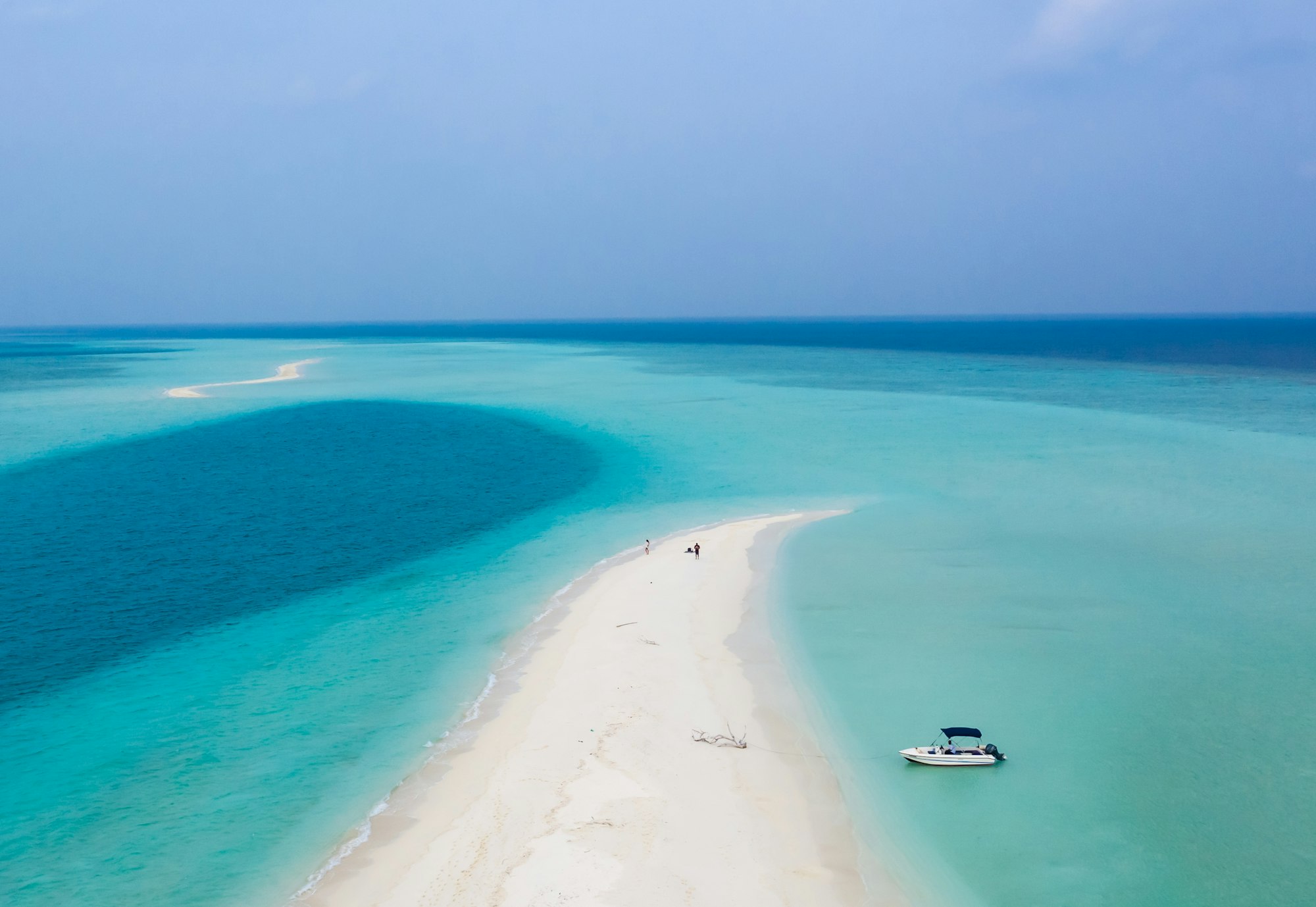
Baa Atoll became a UNESCO biosphere reserve in 2011. One of its core areas, the Hanifaru marine protected area, draws large gatherings of manta rays and whale sharks to feed during the southwest monsoon. Access is regulated. Resorts in Baa arrange visits within the rules, and you should confirm the format with them. Elsewhere, house reefs, dive centres and sandbank picnics are arranged through the resort.
Time on the water
A private yacht or dhoni charter between atolls is an alternative to staying on one island for the whole trip. Routes, permits and crew depend on the vessel. Plan it alongside the resort booking, not as an extra arranged later.
Sensible combinations
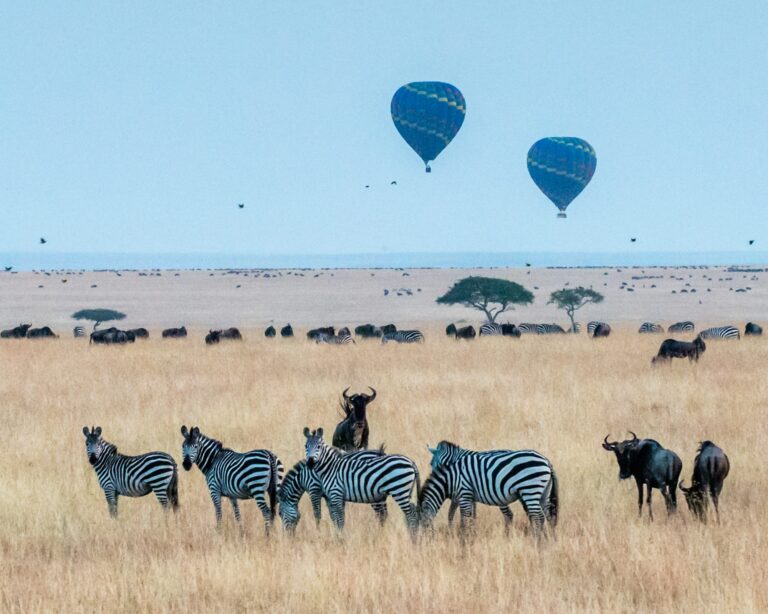
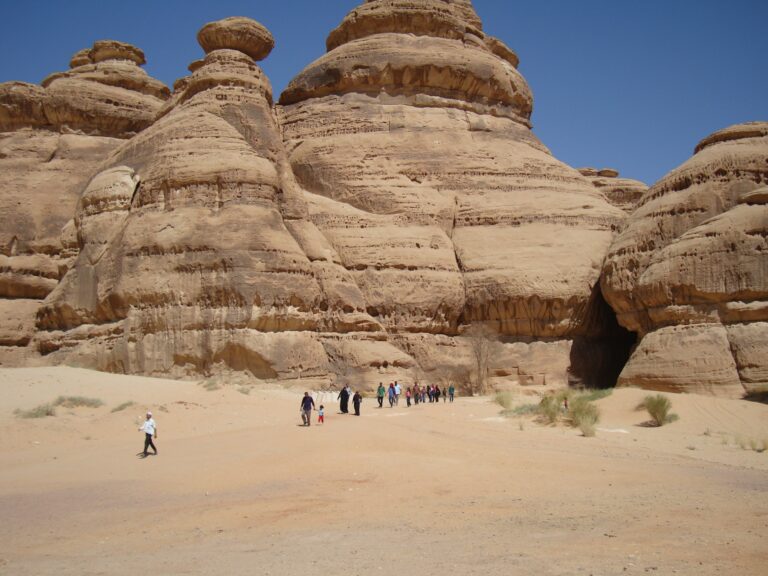
The Maldives combines well with an East African safari before the beach, or with a stop in the Gulf or Sri Lanka on the way home. Each additional country brings its own entry rules and permits. Our guide to an East African fly-in safari covers the bush end of that trip, and the AlUla planning guide covers a cultural stop in Saudi Arabia during the cooler months.
Coordinating a Maldives trip with Certified Jets
Certified Jets arranges your flight with a licensed operator suited to the route and the airport, and coordinates the rest of the trip around it. On a Maldives trip, that means:
- a private jet charter sized to the distance and the party, with the operator handling permits, parking and any reposition; for larger parties, group charter
- timing the arrival to the resort’s seaplane or speedboat transfer
- concierge for resorts, dive programmes and experiences, plus yacht charter between atolls
- ground transportation at the other end of the trip
Where needed, we can also arrange personal security through licensed local providers. All services are subject to availability and local regulations, confirmed when you enquire. To compare cabin sizes for a long overwater flight, see the aircraft categories, or send the team your dates and party size.
Questions
Can we land late and still reach the resort the same day?
Only if the resort can be reached by speedboat or by a domestic flight that operates late. Seaplanes fly only between sunrise and sunset. For a seaplane resort, either arrive with time to spare or plan a night near Malé.
Can the aircraft stay in the Maldives while we are there?
Sometimes. Parking at Velana is limited, especially in high season. If it is not available, the operator may reposition the aircraft to another airport, such as Gan, or fly it out and back. Each option affects cost and crew duty, so ask for the plan in the quote.
Does everyone need to complete the IMUGA form, including children?
Under the current rules, yes: every foreign traveller, including children, submits an individual Traveller Declaration within 96 hours before arrival. Check the IMUGA portal before travel, as the rules can change.
Which months are best?
January to March is the drier northeast monsoon. Mid-May to November is wetter, but it is also when manta and whale shark gatherings occur at Hanifaru Bay. December and April are transitional months.