A fly-in safari replaces long road transfers with short flights between bush airstrips. A long-range jet brings the party to a gateway airport such as Nairobi or Kilimanjaro. From there, light aircraft fly to gravel strips near the camps. Two planning decisions shape the trip: where to be for the season you are travelling in, and how to move between Kenya and Tanzania, which means clearing immigration on each side.
What the trip involves
A typical itinerary spends three or four nights at each of two or three camps, with a light-aircraft flight between each. Game drives fill the early mornings and late afternoons. Flights between camps usually happen in the middle of the day. The jet stays at the gateway or repositions, because the reserve airstrips are unpaved and served by light aircraft. Your camp’s guide and vehicle usually meet each flight at the strip.
This suits families with older children, photographers, and travellers who want several areas without spending days on the road. It suits less well anyone who wants a fixed base. Each change of camp means a packed bag, a weigh-in and a short flight.
Where and when
The Maasai Mara and the Serengeti
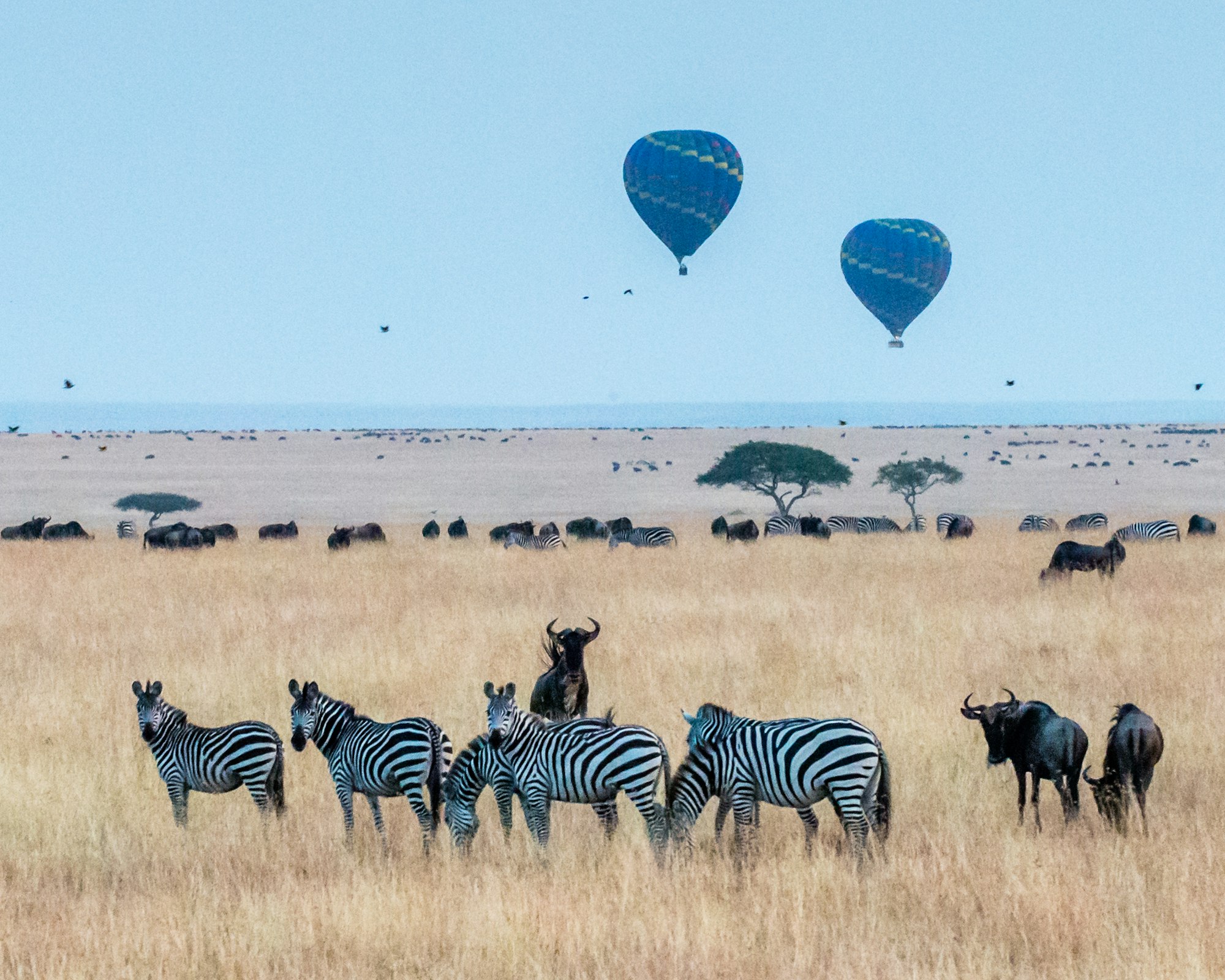
The Mara in Kenya and the Serengeti in Tanzania are one ecosystem divided by the border. The wildebeest and zebra herds move through it all year. According to Tanzania National Parks, the herds cross the Mara River between July and October. Animal movements vary from year to year. Choose camps for the month you are travelling, and treat any specific crossing as a possibility, not a fixture.
Rains
Kenya’s Meteorological Department describes two rainy seasons. The long rains fall from March to May, with April typically the peak, and the short rains from October to December. Drier conditions usually run from June to September. During the long rains, confirm that each camp is open for your dates and how flexible the flight schedule is.
From long-range jet to bush airstrip
Gateways
- Nairobi, Jomo Kenyatta International (HKJK). The international gateway for Kenya.
- Nairobi, Wilson (HKNW). The city’s general-aviation airport and, according to safari airlines and airport guides, the main departure point for flights to the Mara. Guests arriving at JKIA usually transfer by road to Wilson for the onward light-aircraft flight.
- Kilimanjaro International (HTKJ) and Arusha (HTAR). The usual gateways for northern Tanzania. The operator confirms which one suits your aircraft and where it clears immigration. Seronera (HTSN) is the central Serengeti airstrip, and other strips serve the north and south of the park.
The aircraft change
The Mara airstrips have gravel or other unpaved surfaces. Flights into them are typically turboprops and other light aircraft operated by local air operators. Certified Jets arranges the long-range sector and the safari flights as separate charters, each with an operator suited to the airport. The turboprop category gives a sense of the aircraft used for bush sectors. Local charter operators say they fly to the reserve strips in daylight, so time the long-haul arrival to allow for the transfer and the light-aircraft leg before dusk. Otherwise, plan a night in Nairobi or Arusha.
Permits
Trip-support providers report that the civil aviation authorities in Kenya and Tanzania require landing permits for foreign-registered private and charter aircraft. The operator of each sector applies for its own permits. Send passenger and passport details early so the permits are not the last item outstanding.
Combining Kenya and Tanzania
Safari planners note that there is no border crossing between the Mara and the Serengeti inside the parks, so a two-country safari leaves one country and enters the other through a recognised entry point. They describe two patterns:
- Via the gateways. Fly from the Mara to Nairobi, clear out of Kenya, fly to Kilimanjaro, clear into Tanzania, then continue to a Serengeti airstrip. This takes most of a day.
- Via the western border. Some operators run a seasonal routing: a flight to Migori in Kenya, a short road crossing at Isebania, then a flight from Tarime in Tanzania into the Serengeti. Availability depends on the season and the operator, so confirm it for your dates.
Whichever route you take, each traveller needs entry documents for both countries.
Entry documents
- Kenya. Most visitors need an approved Electronic Travel Authorisation (eTA) before travelling, and some nationalities are exempt. Apply only on the official Kenya eTA portal (etakenya.go.ke), which quotes a processing time of three working days that can run longer.
- Tanzania. Visitors who need a visa should apply for an eVisa only through Tanzania Immigration’s official website (visa.immigration.go.tz). Whether a visa is needed, and which type, depends on nationality.
Health entry requirements, such as vaccination certificates, are set separately from visas, so check them for each country on the route as well. Apply once the dates are fixed. Entry rules change, so each traveller should check the current requirements for their own passport on both official portals rather than relying on this summary.
Bags and other practical constraints
- Baggage. Scheduled safari airlines set strict limits. Safarilink, for example, allows 15 kg per person on most routes, including hand baggage, in soft bags. A private light-aircraft charter has its own limits set by aircraft type and load, so ask the operator for the figure in writing. Hard cases and camera equipment need to be declared early.
- Leaving luggage behind. Bags not needed in the bush can stay with the long-range aircraft, if it remains at the gateway and the operator agrees, or at a Nairobi or Arusha hotel.
- Sequencing. Camp availability, not aircraft, usually fixes the dates. Confirm the camps first, then the flights.
Pairing the safari with other trips
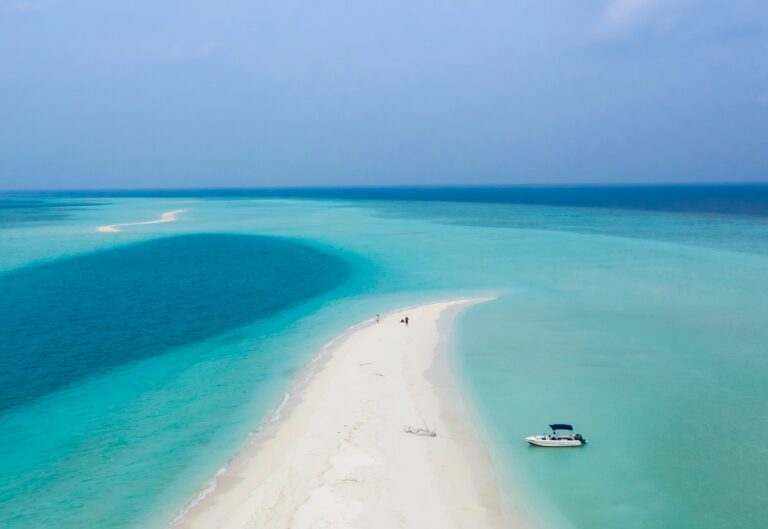
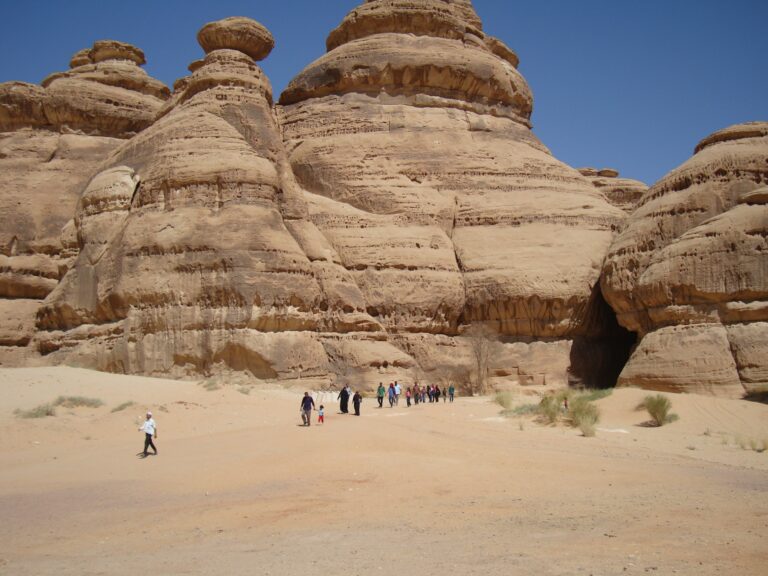
East Africa pairs with an Indian Ocean beach stay after the bush. Our Maldives planning guide covers arrival there, including seaplane timing. For a cultural stop on the way to or from the Gulf, see the AlUla guide.
Where Certified Jets fits in
Certified Jets arranges your flight with a licensed operator suited to the route and the airport, and coordinates the rest of the trip around it. On safari, that means:
- the long-range charter to Nairobi or Kilimanjaro, and the light-aircraft charters between airstrips, each with an operator suited to the sector
- concierge for camps, lodges and the night before or after the bush
- ground transfers between JKIA and Wilson, and at Kilimanjaro and Arusha
- sequencing the Kenya and Tanzania legs around border clearance
Where needed, we can also arrange personal security through licensed local providers. All of this is subject to availability and local regulations, confirmed when you enquire. Larger parties can use group charter, or you can contact the team directly.
Questions
Can our jet fly straight into the Maasai Mara?
In practice, no. The reserve airstrips are unpaved and used by light aircraft. Business jets land at Nairobi or, for Tanzania, Kilimanjaro, and the last leg is by turboprop or another light aircraft.
Can we fly directly from the Mara to the Serengeti?
Not without clearing immigration, according to safari planners. Itineraries route through Nairobi and Kilimanjaro, which takes most of a day, or use a seasonal routing via Migori and Tarime with a road crossing at Isebania where an operator runs it. Confirm the routing for your dates.
When are the river crossings?
Tanzania National Parks puts the Mara River crossings between July and October. Crossings depend on rain and grazing, so no date is certain.